


Home › Business Resources › Business Bankruptcy
Business Bankruptcy
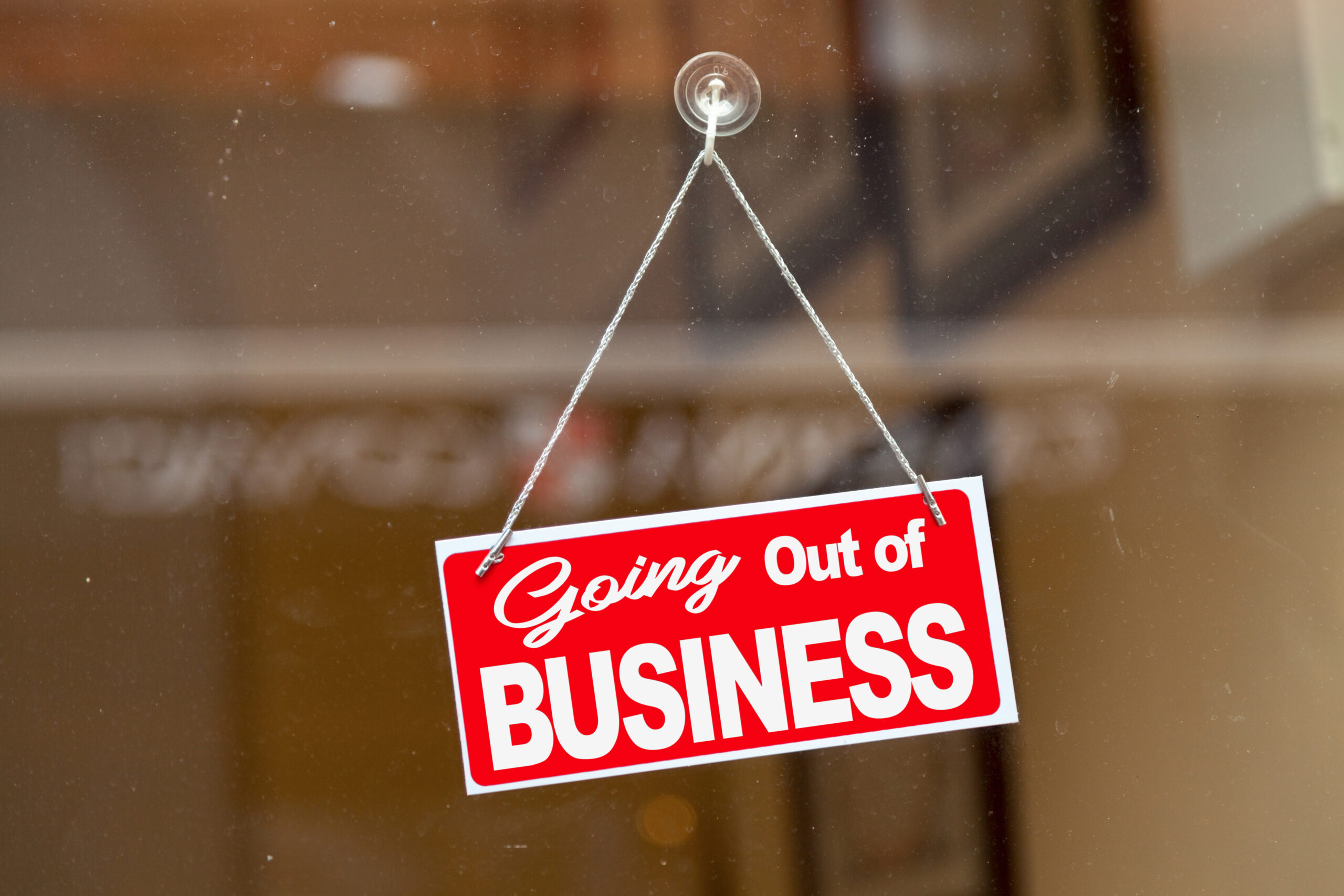
Business bankruptcy in Australia: what directors need to know
“Business bankruptcy” is one of the first things directors type into Google when the debts start piling up. But it’s the wrong search. In Australia, businesses don’t go bankrupt. Directors do.
A company that can’t pay its debts is insolvent. It can be restructured, put into administration or liquidated, but it can never be made bankrupt. Bankruptcy is a personal process under the Bankruptcy Act 1966, and it only reaches you when the company’s debts become your debts.
What you should really be searching for is an insolvency solution: a way to deal with the company’s debt before a creditor, or the ATO, forces the issue. For many small businesses there are better options than liquidation, and most of them keep you in control.
On this page we explain:
- What bankruptcy actually is, and how it differs from liquidation
- The steps creditors take against your company and against you
- How company debt becomes your personal debt
- Better options than bankruptcy or liquidation
- How a Small Business Restructure works
- Whether you need a bankruptcy lawyer
Your company
Liquidation (winding up)
Corporations Act 2001. Regulated by ASIC. A liquidator takes control and the business usually stops.
You, personally
Bankruptcy
Bankruptcy Act 1966. Administered by AFSA. Only people, sole traders and partners can go bankrupt.
$1MILLION
or less in total liabilities
Your company may qualify for a Small Business Restructure: cut the debt, keep trading, and stay in control. No liquidator, no bankruptcy.
Tell us what you’ve received and we’ll tell you where you stand today.
Free, confidential, and no obligation.
The detail
Which legal words actually apply to you?
Directors say “bankruptcy” to describe several different processes. Each one has its own law, its own deadline and its own way out. Work out which one you’re facing before you do anything else.
| Term | Applies to | What it means |
|---|---|---|
| Statutory demand | Companies | A creditor’s formal demand for a debt of at least $4,000. The company has 21 days to pay, settle or apply to set it aside. |
| Winding up application | Companies | A creditor asks the court to appoint a liquidator, usually after an unmet statutory demand. It’s advertised publicly. |
| Liquidation | Companies | A liquidator takes control, sells the assets and the company is usually deregistered. This is what people mean by “business bankruptcy”. |
| Insolvent trading | Directors | Taking on new debts when the company can’t pay its existing ones. Directors can be made personally liable. |
| Bankruptcy notice | Individuals | Issued on a court judgment of at least $10,000. You have 21 days to pay or come to an arrangement. |
| Creditor’s petition | Individuals | The court application to make a person bankrupt after a bankruptcy notice isn’t met. |
| Sequestration order | Individuals | The court order that makes you bankrupt. A trustee takes control of your assets. |
How it escalates
What creditors do, step by step
Company debt and personal debt run on two separate tracks. Many directors end up on both at once.
Against your company
Overdue invoices and letters of demand
The cheapest point to fix it, and the one most often ignored.
Statutory demand
21 days from service. Miss it and the company is presumed insolvent.
Winding up application
Filed in court and published. Banks and suppliers start to notice.
Winding up order
A liquidator is appointed. Your powers as director end.
Against you, personally
DPN or personal guarantee called
The company’s debt becomes your debt.
Court judgment against you
The creditor sues and wins a judgment debt.
Bankruptcy notice
For judgments of $10,000 or more. 21 days to comply.
Creditor’s petition and sequestration order
The court makes you bankrupt.
Timing changes everything
A restructure is straightforward while a statutory demand is still live. After a winding up application is filed it’s still possible, but you’re asking a court to adjourn. Once a winding up order is made, the company is in liquidation and this pathway is gone.
Your personal risk
How company debt becomes your debt
A company structure protects you, until one of these applies. Most directors we speak to have at least two.
Director Penalty Notices
Unpaid PAYG withholding, GST and super can become your personal debt. How DPNs work.
Personal guarantees
Common on leases, supplier accounts, equipment finance and business loans. The creditor can come straight to you.
Insolvent trading claims
If the company goes into liquidation, the liquidator can pursue you for debts incurred while it was insolvent.
Director loan accounts
Money you’ve drawn from the company can be recovered by a liquidator as a debt you owe.
Dealing with the company’s debt early is usually the best way to protect yourself.
A restructured company doesn’t hand a liquidator a claim against you.
Your options
Alternatives to bankruptcy and liquidation
Liquidation isn’t the only outcome for a struggling company. Here’s how the main options compare.
| Option | Who it suits | Who’s in control | Likely outcome |
|---|---|---|---|
| Small Business Restructuring | Companies with total liabilities up to $1M | You, the director | Creditors vote on a debt plan; the business keeps trading |
| Safe Harbour | Directors with a credible turnaround plan | You, the director | Protection from insolvent trading claims while the plan is pursued |
| Voluntary Administration | Larger or more complex companies | An administrator | A deed of company arrangement, or liquidation |
| Liquidation | Companies that can’t be saved | A liquidator | The business closes and the company is deregistered |
| Personal bankruptcy | Individuals, sole traders and partners | A trustee | Most debts released after the bankruptcy period, with a lasting credit impact |
Sole trader or partnership? SBR covers companies only. Complete our referral form and we’ll point you to the right personal insolvency specialist.
The solution
How a Small Business Restructure keeps you out of liquidation
Once a Small Business Restructuring Practitioner is appointed, most creditors, including the ATO, can’t start or continue recovery action against the company without the practitioner’s consent or the court’s approval.
You stay in control and keep trading. The company proposes a plan to pay a portion of its debt over a set period. If creditors holding more than 50% of the debt by value vote yes, the plan binds them all. The whole process runs to a legislated timetable of roughly 35 business days.
To be eligible for an SBR, a company generally needs
1
Free eligibility check
Takes about 60 seconds.
2
Practitioner appointed
Creditor pressure pauses while the plan is built.
3
Creditors vote
Over 50% by value approves the plan.
4
You keep trading
Pay what the plan says, then move on.
Find out in 60 seconds whether your company qualifies.
Most directors who think they’re out of options are not.
Lawyer or practitioner?
Do I need a bankruptcy lawyer?
Sometimes. It depends on whether you need to fight the debt or fix it.
Call a lawyer to fight the debt
- You genuinely dispute that the debt is owed
- You want to set aside a statutory demand or bankruptcy notice in court
- You’re defending a court claim
Call us to fix the debt
- The debt is real and the company can’t pay it all
- You want to keep trading and stay in control
- You want to avoid liquidation and personal exposure
SBRS is a licensed restructuring practice, not a law firm. We regularly work alongside directors’ lawyers and accountants.
FAQ
Commonly asked questions
+Can a company go bankrupt in Australia?
No. Bankruptcy only applies to individuals under the Bankruptcy Act 1966. An insolvent company is wound up, or placed into liquidation, under the Corporations Act 2001.
+Can I be made bankrupt because of my company’s debts?
Yes, if a company debt becomes your personal debt. That usually happens through a Director Penalty Notice, a personal guarantee or an insolvent trading claim. A creditor with a judgment against you can then apply for a bankruptcy notice.
+What happens if I ignore a statutory demand?
After 21 days the company is presumed insolvent. The creditor can then apply to the court to wind it up without having to prove insolvency.
+What is the minimum debt to make someone bankrupt?
Currently $10,000 in judgment debt. The government has released draft legislation proposing to lift this to $20,000, but it isn’t law yet.
+Can I restructure if a winding up application has already been filed?
Often, yes. The court can adjourn the hearing if it’s satisfied the restructure is in creditors’ interests, but that needs evidence prepared in advance. Once a winding up order is made, it’s too late.
+What if my company owes more than $1 million?
SBR isn’t available, but Safe Harbour or voluntary administration may be. Call us and we’ll tell you which fits your situation.
+I’m a sole trader. Can SBR help me?
SBR is only for companies. Complete our sole trader form and we’ll refer you to the right personal insolvency specialist.
Act before your company becomes a liquidation
A free eligibility check takes 60 seconds and a confidential call costs nothing.
Reviewed by Thomas Dawson, Registered Liquidator, Small Business Restructuring Specialists. Last reviewed NOVEMBER 2026. This page is general information only and does not take your circumstances into account. Liability limited by a scheme approved under Professional Standards Legislation.