



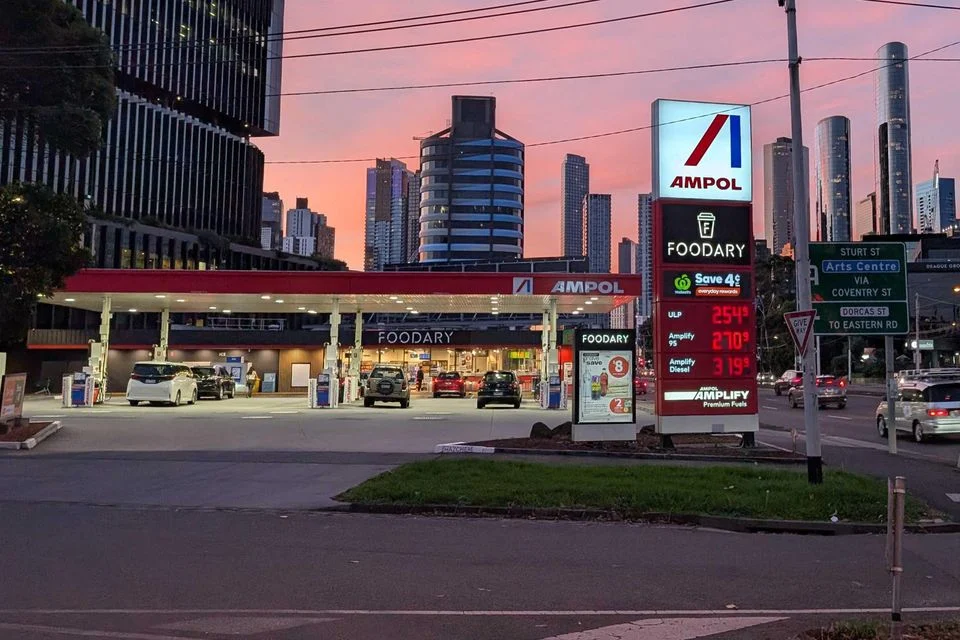
The “fuel crisis” of 2026 driven by volatility in the Middle East has sent diesel and petrol prices to record highs, with diesel recently breaching the $3.50 mark in several Australian cities. For small business owners, this isn’t just a headache at the pump, for many it is adding further fuel to their finances. With margins already squeezed, cost of living still growing higher and many still recovering from the lasting effects of COVID, the pressures at the pump for many could represent the straw that breaks then camels back.
If your business is struggling to stay afloat under the weight of these costs, even with the government support package, considering a Small Business Restructure (SBR) could be the right course for your business. Here is what the current landscape means for your decision.
1. The Survival Mechanism
What is an SBR? An SBR is a formal, simplified insolvency process introduced to help viable small businesses (with liabilities under $1 million) restructure their debts. Unlike traditional liquidation, you remain in control of the business.
In the context of the 2026 fuel crisis, an SBR allows you to:
- Freeze Debt: Immediately stop creditors from taking enforcement action while you develop a plan.
- Slash ATO Debt: Negotiate to pay back only a percentage of what you owe (often 30–50%) over a period of up to three years.
- Maintain Operations: Keep your doors open and your staff employed while the “historical” debt from the fuel spike is managed.
2. Why the Fuel Crisis Makes SBRs More Relevant
The Australian Taxation Office (ATO) has recently acknowledged the extraordinary pressure of current fuel prices. This is critical for two reasons:
- Eligibility & Viability: To qualify for an SBR, a practitioner must certify that your business is “viable.” Because the current crisis is seen as an external, “temporary” shock rather than internal mismanagement, practitioners and creditors are more likely to view your business as worth saving.
- ATO Leniency: The ATO has signaled it will be a “supportive creditor” during this period. They are currently offering targeted relief—including interest remissions and flexible payment plans—for businesses whose debt is “directly or indirectly attributable” to fuel costs.
3. The “Indirect” Trap:
Many small businesses think they aren’t “fuel-heavy” because they don’t run a fleet of trucks. However, the 2026 crisis has caused a massive ripple effect:
- Supply Chain Surcharges: Logistics providers are adding “fuel levies” to every delivery.
- Inventory Costs: The cost of goods sold (COGS) is rising because of the energy required to manufacture and move them.
- Reduced Consumer Spending: As households spend more on petrol, they spend less on your services.If your profit margins have been squeezed to the point where you can no longer meet tax or superannuation obligations, the SBR is the formal “shield” that prevents a temporary cash flow crisis from becoming a permanent closure.
4. Key Deadlines and Requirements:
If you are thinking of an SBR, you must meet these non-negotiable criteria before a plan can be approved:
- Employee Entitlements: All current wages and superannuation must be paid up to date.
- Tax Lodgments: All your tax filings (BAS, etc.) must be current.
- Debt Limit: Your total liabilities must be less than $1 million.
The fuel crisis of 2026 is an “act of god” style event for many small businesses. If high fuel prices have turned your once-profitable business into a debt-heavy one, an SBR isn’t an admission of failure—it’s a strategic tool to ensure you’re still standing when the market stabilizes.
Speak to one of our team to find out more about whether an SBR might be suitable for your business or take our eligibility survey.
Relief could be closer than you ever thought possible.
