



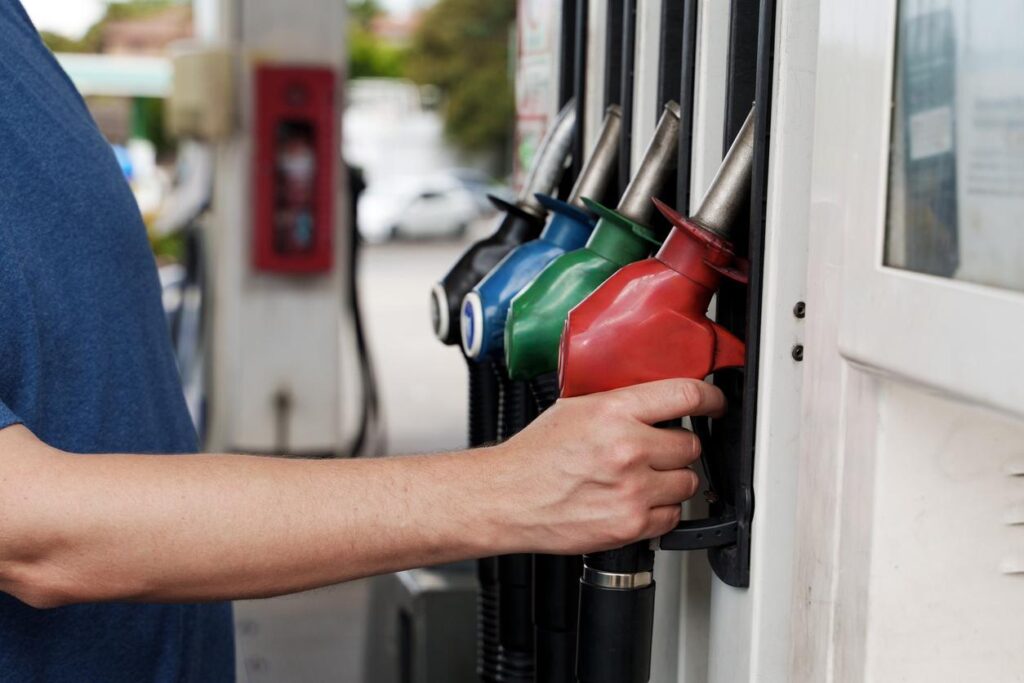
What the Fuel Response Support Package means for small businesses.
The Australian Taxation Office (ATO) has recently launched the Fuel Response Support Package (effective April 1, 2026) specifically designed to shield small businesses from the current volatility.
The support is categorized into immediate cash flow relief, interest waivers, and formal restructuring leniency.
1. The “Fuel Response” Payment Plan
This is a dedicated, tailored arrangement for businesses whose cash flow has been crippled by high diesel or petrol costs.
- Zero Upfront Payment: Unlike standard payment plans which often require a 10–20% deposit, eligible businesses can start a plan with $0 upfront.
- Extended Terms: The ATO is offering fixed 3-year (36-month) payment terms to spread the debt significantly thinner than usual.
- “Indirect” Cost Eligibility: Support isn’t just for trucking companies. You qualify if your costs have risen indirectly due to fuel-related surcharges from suppliers, couriers, or logistics partners.
2. Automatic & Targeted Interest Remissions
The ATO is being more aggressive with General Interest Charge (GIC) waivers to prevent tax debt from compounding during the crisis:
- Accrued Interest Relief: If you enter the Fuel Response plan and meet your first three monthly instalments, the ATO has committed to remitting (refunding) all GIC that accrued from the date of your application.
- Penalty Suspension: Failure to Lodge (FTL) penalties are currently being viewed with “extreme leniency” where the business can demonstrate that administrative resources were diverted to managing fuel-related financial distress.
3. PAYG Instalment Variations
If your profit margins have been squeezed, the ATO is encouraging businesses to vary their Pay As You Go (PAYG) instalments down to zero (or a significantly reduced amount) for the current quarter.
- No Under-Estimation Penalty: Usually, if you vary your instalments too low, you face a penalty. For the 2026 financial year, the ATO has signalled they will not apply under-estimation penalties for businesses impacted by the fuel crisis, provided the variation was made in “good faith.”
4. Leniency in the SBR Process
For businesses moving into a Small Business Restructure (SBR), the ATO has adjusted its “Supportive Creditor” guidelines:
- The “Substantial Compliance” Test: Normally, you must have all tax lodgements and superannuation paid up to date to start an SBR. Under the new 2026 guidelines, if you are behind due to fuel costs, the ATO may allow you to proceed under a “Substantial Compliance” exception, provided you have a clear plan to catch up on super as a priority.
- Voting in Favor: The ATO is currently more open to vote “Yes” on SBR plans where the business is viable but was “knocked sideways” by the fuel spike, even if the “cents in the dollar” offer is lower than their usual threshold.
Whilst an SBR acceptance isn’t a guarantee, the current environment means that it is more likely, and as many business owners have found over the past 6 years, using government schemes to defer debts may delay for today, but accruing more as you whether the storm can leave your business in a much more vulnerable position than making plans now.
If you’d like to see if an SBR might be suitable for your business speak to one of our team today.
To apply for the ATO fuel response payment plan visit here
Why SBRS?
As Australia’s leading independent SBR practitioners, we help you take back control of your business and your future. We understand the stress of dealing with ATO debt and creditor pressure, which is why we specialize exclusively in the government-backed Small Business Restructuring program.
When you partner with us, we immediately halt creditor actions, giving you the breathing room to focus on your operations. Our team guides you through a streamlined, 35-business-day process to reduce your debt and protect your livelihood, ensuring you remain in the driver’s seat every step of the way.
