



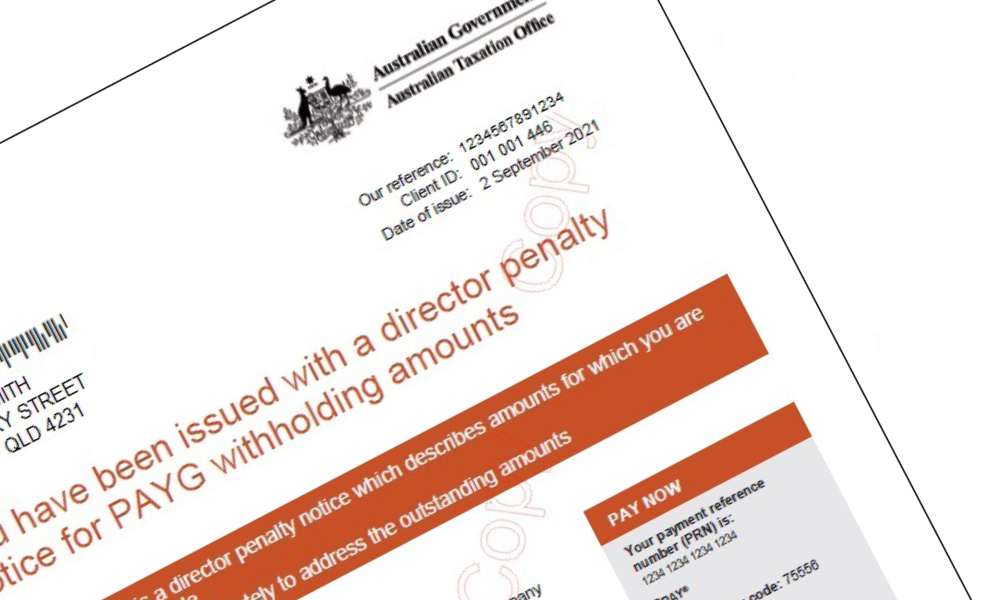
If you have missed the 21-day expiry of a Non-Lockdown Director Penalty Notice, the situation is critical as you are now personally liable for the debt. The “remission” options (like appointing a liquidator or an SBR practitioner to cancel the personal penalty) may no longer be available.
However, “personally liable” does not mean “out of options.” Here is exactly what you should do right now:
1. Verify the Date and Type of DPN
First, double-check if it was truly a Non-Lockdown DPN.
- If it was a Lockdown DPN: You were actually personally liable the moment the company missed its lodgement deadlines months ago; the 21-day notice was just a warning. In this case, missing the deadline didn’t change your liability status it just moved you closer to ATO enforcement.
- Check the Postmark: The 21 days start from the date the ATO posted the letter, not when you received it. If you are only a day or two over, call an insolvency lawyer immediately to see if there is any technicality regarding service.
2. Stop the ATO “Self-Help” Recovery
Once the 21 days expire, the ATO does not need a court order to start taking your money. They can:
- Garnishee your personal bank accounts: They can instruct your bank to send your personal savings directly to the ATO.
- Garnish your wages: If you have a job elsewhere, they can take a percentage of your salary.
- Offset tax refunds: Any personal tax refund you were expecting will be swallowed by this debt.
Action: Contact the ATO to negotiate a Personal Payment Plan. While this won’t remove the liability, the ATO is often willing to pause active recovery (like garnishee notices) if you show a genuine commitment to pay.
3. Protect Your Home and Assets
Since the debt is now personal, your family home and other assets are “on the table.”
- Refinance: If the company is still viable, can it (or you) borrow against assets to pay the ATO in full?
- Personal Insolvency: If the debt is so large you can never pay it, you may need to look at a Part X (Personal Insolvency Agreement) or, as a last resort, bankruptcy.
What NOT to do:
- Do not move assets to your spouse: In 2026, the ATO and bankruptcy trustees have “clawback” powers. Moving money or property out of your name now to avoid a DPN debt can be seen as a voidable transaction or even a criminal offence.
- Do not ignore the ATO’s phone calls: Silence is usually what triggers the Garnishee notices.
